Arterial angioplasty.
Reopens narrowed leg arteries through a small puncture — no incision, no general anesthesia, same-day discharge. The standard of care for peripheral arterial disease.
- OUTPATIENT
- 60–90 MIN
- LOCAL ANESTHESIA
- NO OVERNIGHT STAY
- INSURANCE COVERED
- SAME-DAY DISCHARGE
A small puncture, a real difference
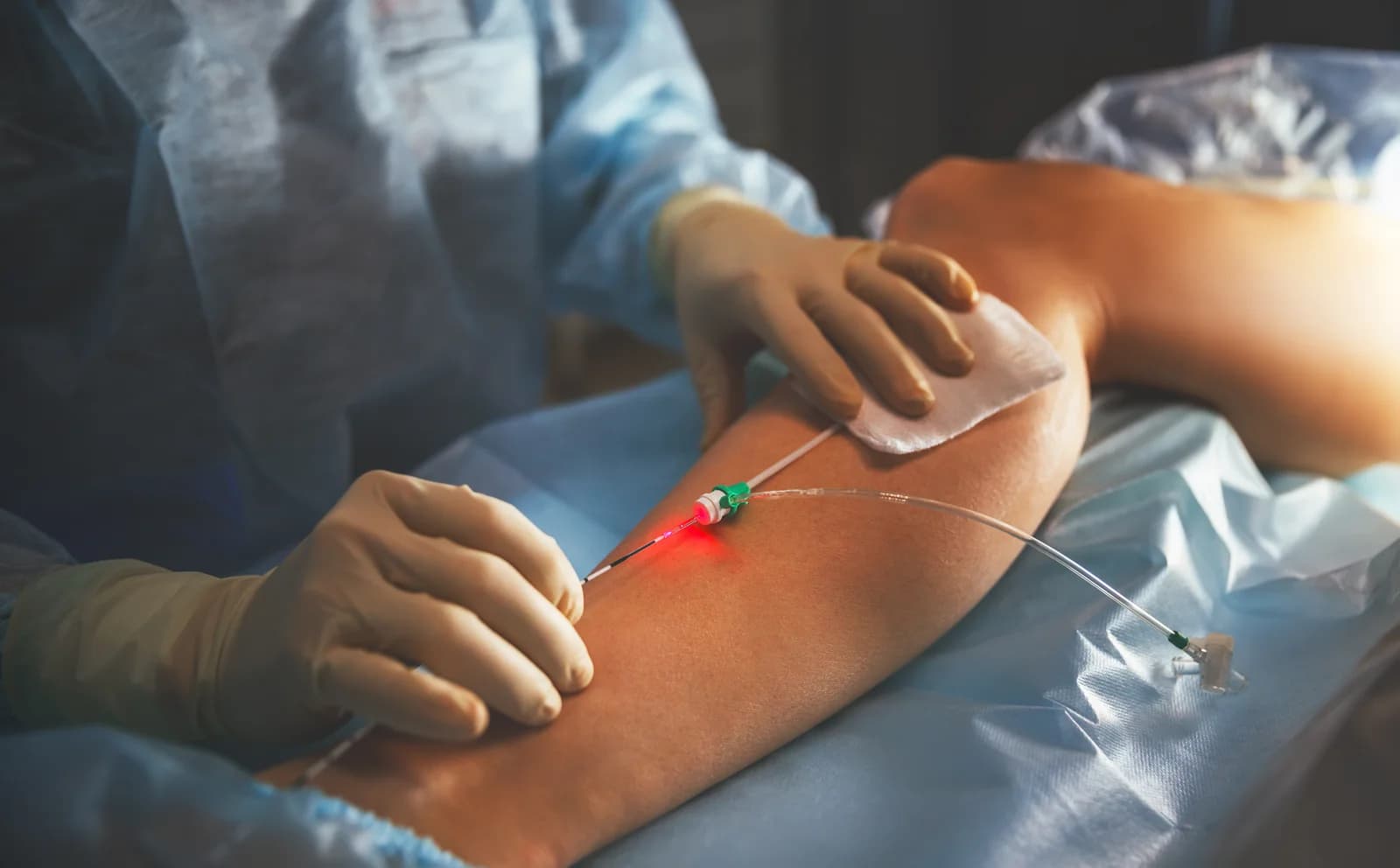
Arterial angioplasty restores blood flow to legs starved by plaque buildup. Through a needle-sized puncture — usually in the groin — a catheter is threaded up to the blockage, balloons are inflated to open the artery, and stents are placed when needed. The artery is reopened from the inside, with no open surgery and no scar.
For patients with peripheral arterial disease (PAD), angioplasty often restores enough circulation to walk farther without pain, heal foot wounds that have stalled, and — in severe cases — prevent amputation.
The earlier in the disease course the procedure is performed, the better the long-term outcome.
The procedure, step by step
Vascular expertise built on a kidney foundation
Dr. Anton's training as an interventional nephrologist means he's spent decades inside the arterial system at the level required to open dialysis access — among the most demanding endovascular work performed in medicine. That precision translates directly to leg artery work, where millimeters matter.
Same-day, walk-out recovery
Plan on three to four hours in the office: prep, the procedure itself (typically 60–90 minutes), and a recovery period during which we monitor the puncture site. You'll need someone to drive you home, but most patients are walking with less pain that same afternoon.
Aftercare is straightforward: keep the bandage dry for 24 hours, no heavy lifting for a week, and follow-up in our office within two weeks. Long-term, we manage the atherosclerotic risk factors — blood pressure, cholesterol, blood sugar — that contributed to the blockage in the first place.
A minimally invasive procedure
Arterial angioplasty is performed through a small puncture, under local anesthesia, in our Pompano Beach office. A catheter is guided to the blockage, a balloon is inflated to reopen the artery, and a stent is placed when needed.
There's no incision and no general anesthesia — most patients walk out the same day with less pain than they arrived with.
answers?